Why Strength, Balance and Progression Matter as We Age
Why Strength, Balance and Progression Matter as We Age
When it comes to staying strong and independent as we get older, there’s more to the picture than simply “getting some exercise.” Resistance training, weight-bearing activity, balance, and the way we gradually increase our workload all play important roles. And there’s some interesting science behind why. Our bodies are remarkably adaptable.
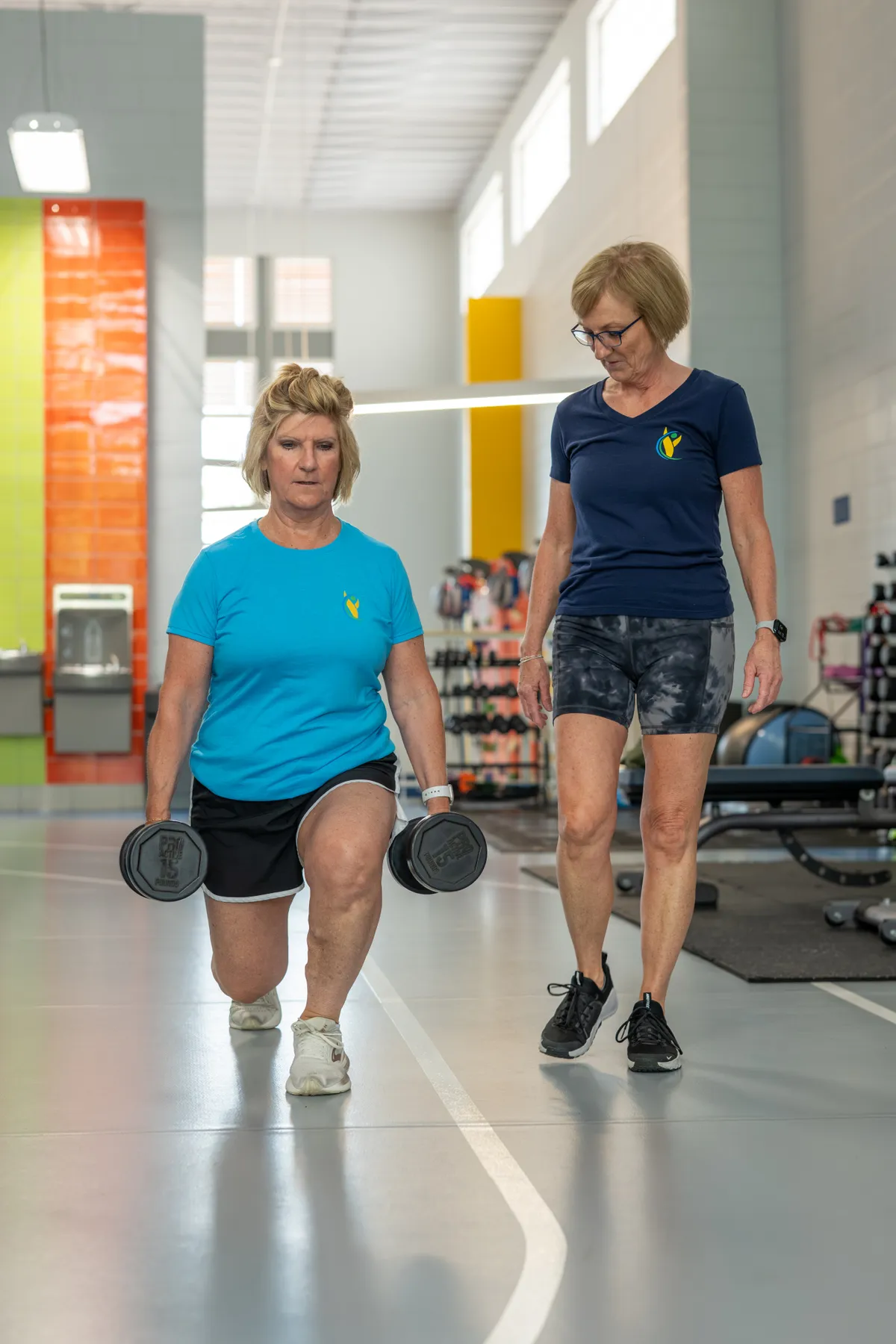
When muscles are challenged by resistance training, they respond by repairing and remodeling themselves, becoming stronger and better able to handle that same challenge in the future. Bones respond to mechanical stress in a similar way. Weight-bearing activity and resistance training place forces on the skeleton that can signal the body to maintain or build bone tissue. This process is part of the body’s ongoing bone-remodeling system.
Balance is another important piece of the puzzle. Good balance depends on the brain, muscles, joints, vision, and inner ear working together. As we practice challenging our balance, the nervous system becomes better at coordinating these systems. Stronger muscles can also provide greater stability and control, helping us respond when we lose our footing or encounter an unexpected change in our environment.
But there’s an important catch: the body needs an appropriate challenge in order to adapt. Doing exactly the same thing at exactly the same level forever may help maintain some fitness, but it may not provide enough stimulus for continued improvement. This is where progression comes in. Progression simply means gradually increasing the challenge as your body becomes more capable. That might involve changing the amount of resistance, the difficulty of a movement, the amount of time spent exercising, or another aspect of the activity.
The goal isn't to push harder just for the sake of pushing harder. It's to provide enough stimulus to encourage adaptation without overwhelming the body. That balance becomes especially important as we get older. Recovery can take longer, and joints, muscles, and connective tissues may not appreciate sudden increases in workload.
A gradual approach gives the body time to adapt and can make training both safer and more sustainable. The bigger picture is encouraging. Our bodies don't stop responding to exercise simply because we get older. Muscles can become stronger, balance can improve, and bones continue to respond to mechanical loading. The key is giving the body the right stimulus, allowing enough recovery, and gradually increasing the challenge over time. In other words, healthy aging isn't about avoiding physical challenges. It's about choosing the right challenges and giving your body the opportunity to adapt to them.
At Lowcountry Elite Performance, we can help you put these principles into practice with a thoughtful, progressive approach to strength, balance, and fitness—so you can keep moving well, stay strong, and enjoy an active life for years to come.
📧 Email us at [email protected]
🌐 Visit: www.locoeliteperformance.com